


AI Wearables: Smart Tech That Earns Its Place

A phone can do almost anything, but pulling it out for every message, direction, workout update, or translated phrase gets old fast. AI wearables are designed to bring the useful parts closer to you - on your wrist, in your ears, or in front of your eyes - without asking you to hold another screen all day.
That promise is exciting, but not every device earns a spot in your daily routine. The best value is not found in the biggest feature list. It comes from choosing a wearable that solves a real problem for you, whether that means clearer calls, quick translation, fitness tracking, hands-free reminders, or easier navigation.
What AI Wearables Actually Do
AI wearables are consumer devices that use software intelligence, sensors, voice control, or connected apps to respond more helpfully to what you say, see, or do. The category includes smartwatches, AI smart glasses, translation earbuds, and wireless earbuds with voice-assistant features.
“AI” can mean different things from one product to another. In some devices, it means voice commands that let you make a call, set a timer, send a message, or ask a quick question. In others, it supports real-time language translation, workout insights, noise reduction during calls, camera-assisted features, or personalized health data.
The practical question is simple: will the feature save you time often enough to matter? A translation earbud that helps during travel or conversations with international clients can be a great buy. A smartwatch that makes you more likely to notice calls, move more, or leave your phone in your pocket can also be worth it. Paying extra for functions you never use is not a premium experience - it is wasted budget.
The AI Wearables Worth Considering First
Smartwatches remain the easiest entry point. They combine notifications, Bluetooth calling, activity tracking, sleep monitoring, GPS on selected models, and watch-face customization in one familiar device. For many shoppers, the real advantage is convenience. You can check whether a notification needs attention without breaking focus, control music while exercising, and track daily movement from your wrist.
AI smart glasses are a more hands-free option. Depending on the model, they may support voice assistance, calls, audio playback, camera functions, or visual tools. They can make sense for people who commute, travel, create content, or want quick access to information without constantly looking down. Comfort matters here more than shoppers expect. If glasses feel heavy, look too unusual for your style, or need frequent charging, they may stay in a drawer.
Translation earbuds solve a very specific problem exceptionally well: making conversation feel less stressful across languages. They are especially useful for travelers, students, international families, hospitality workers, and anyone handling cross-border communication. Results can depend on the languages involved, background noise, internet connection, and the translation mode offered. They are helpful conversation tools, not a replacement for a professional interpreter in high-stakes medical, legal, or business situations.
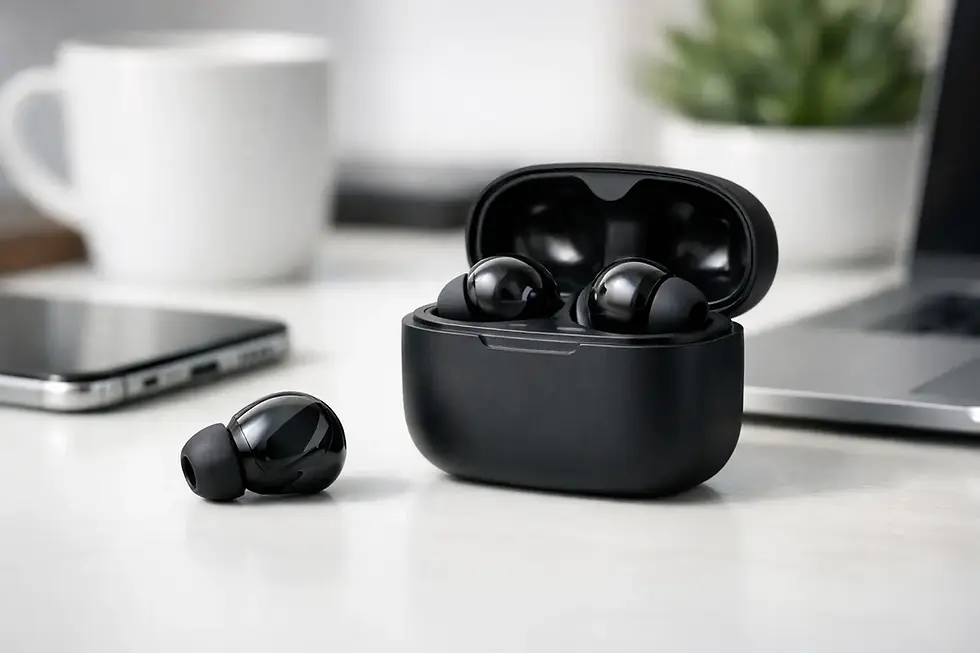
AI-enabled earbuds and headphones can also offer strong everyday value. Features such as environmental noise cancellation, call noise reduction, touch controls, voice-assistant access, and long battery life make a noticeable difference in busy places. If you take work calls from public spaces, commute often, or listen to audio daily, comfort and microphone quality may matter more than a flashy app feature.
Buy for the Job, Not the Buzzword
The fastest way to narrow your options is to start with the moment you want to improve. If you want to stay connected without reaching for your phone, look at a smartwatch with Bluetooth calling and reliable notifications. If travel and language are your priorities, compare translation modes, supported languages, and whether the earbuds can work effectively in the places you plan to use them.
For fitness, focus on the basics you will actually check: steps, heart rate, workout modes, sleep data, GPS, and battery life. A watch with every possible sports mode is not automatically better if its screen is difficult to read outdoors or its battery does not last through your routine.
For audio, think about where you listen. Noise cancellation can be valuable on flights, trains, and shared offices. A lightweight design can be more important for long listening sessions. If calls are your priority, check for microphone and call-noise-reduction details rather than judging a headset by playtime alone.
This is where feature-rich alternatives can offer excellent value. You do not always need the highest-priced flagship to get the functions that affect daily use. A clear display, dependable Bluetooth connection, useful health tracking, practical translation support, and enough battery for your schedule can deliver far more value than a brand name by itself.
What to Check Before You Buy
A good product page should make the essential details easy to compare. Start with compatibility. Most wearables work best when paired with a smartphone, but app support and feature availability can vary between iPhone and Android. Confirm that the device supports your phone before placing an order.
Battery expectations deserve a close look, too. There is a difference between standby time, music playback time, call time, and normal mixed use. Smart glasses with cameras or frequent audio use may need charging more often than simple Bluetooth earbuds. A smartwatch with an always-on display, GPS, and continuous health tracking may have a different battery experience than one used mainly for notifications.
Also consider fit and controls. Earbuds should include suitable ear tips or a shape that works for your ears. Watches need a comfortable band and a screen size that suits your wrist. Smart glasses should sit securely without pressure at the nose or ears. These details sound small until you wear a device for several hours.
Finally, understand what data the wearable collects and where it is stored. Health and activity figures are useful for spotting routines and general trends, but consumer wearables are not medical devices unless specifically stated otherwise. Use them to support healthy habits, not to self-diagnose a condition.
The Trade-Offs Are Real
Wearables are convenient because they reduce friction. That same convenience can create more notifications, more charging habits, and more reasons to stay digitally switched on. The right setup should make your day calmer, not noisier.
Take a few minutes to customize alerts once your device arrives. Keep calls, calendar reminders, navigation, and messages from important contacts. Silence promotions, social updates, and other alerts that can wait. A smartwatch or pair of smart glasses feels far more useful when it only interrupts you for things that deserve your attention.
Privacy is another trade-off, especially with microphones, cameras, location tools, and voice commands. Use screen locks where available, review app permissions, and be considerate when using camera-equipped wearables around other people. Smart tech should feel helpful and respectful, not intrusive.
How to Get Better Value From Your Wearable
The best time to evaluate a wearable is during the first week, not months later. Charge it fully, update its companion app if needed, pair it carefully, and test the features you bought it for in your real routine. Make a call while walking outside. Try translation in a normal conversation. Wear the watch through a workday and a workout. You will quickly learn whether the fit, battery, and controls work for you.
Do not ignore the buying experience either. When shopping online, price matters, but reassurance matters too. Look for clear specifications, secure payment options, visible customer feedback, straightforward return terms, and shipping details that fit your location. Store1 focuses on feature-packed smart tech at promotional prices, with free worldwide shipping and a 30-day return window to help buyers shop with more confidence.
AI wearables are at their best when they disappear into your day and make ordinary tasks easier. Choose one practical benefit you want more of - better communication, better focus, easier travel, or more useful health habits - and let that need guide the purchase.


Comments